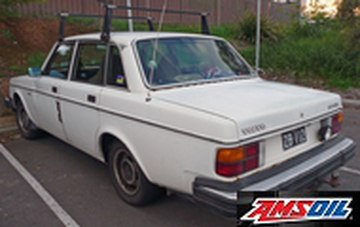
Maintaining Lubrication Integrity for the 1982 Volvo GL 2.3L
Proper engine care for a vehicle of this era requires a focus on consistent monitoring and proactive inspection. For an owner of a 1982 Volvo GL with the 2.3L engine, maintaining the lubrication system is a fundamental aspect of long-term mechanical health. Because older engines operate under different thermal and mechanical stresses than modern counterparts, understanding how to observe and respond to changes in fluid condition is essential for effective ownership.Monitoring Fluid Condition and Potential Leaks
One of the most practical ways to assess the health of the 2.3L engine is through regular visual inspections of the lubrication system. Rather than waiting for a warning light or a significant drop in levels, an owner should look for subtle signs of change. Inspecting the area around the engine for any evidence of seepage can help identify aging gaskets or seals before they become major concerns. When performing these checks, it is useful to look at several specific areas:- Sealing Surfaces: Check for any dampness or residue on various engine junctions that might indicate slow seepage.
- Drain Areas: Inspect the area beneath the vehicle after it has been parked for an extended period to see if any fluid has collected on the ground.
- Fluid Appearance: If the oil is checked via a dipstick, note its color and consistency. Significant darkening or a gritty texture can be indicators of internal contamination or extreme thermal breakdown.
Prioritizing Maintenance Based on Current Condition
As vehicles age, maintenance strategies often shift from strictly following a calendar to focusing on the actual condition of the components. For the 1982 Volvo GL, this means using the current state of the engine to decide where to direct attention and resources. If you are stepping into ownership without a complete service history, establishing a baseline is a logical first step. Establishing this baseline involves documenting the current state of all major fluids and inspecting aging materials. If maintenance records are incomplete, an owner might prioritize addressing any active leaks or signs of fluid consumption first. Once the engine's current operating state is understood, maintenance can transition into a more preventive approach. This distinction—separating necessary repairs from unnecessary parts replacement—is key to efficient long-term ownership. Instead of replacing components simply because they are decades old, focus on those that show actual wear or signs of impending failure during routine inspections.Observing Changes in Engine Behavior
Beyond visual inspections, an owner should remain attentive to how the vehicle operates during daily use. Changes in mechanical behavior can often be early indicators that the lubrication system requires attention. For example, if you notice a change in the way the engine sounds while idling or under load, it warrants a closer look at the fluid levels and quality. Similarly, any unusual odors coming from the engine bay should be investigated, as these can sometimes be associated with oil contacting other hot surfaces. If the vehicle exhibits signs of overheating, this is a critical signal that requires immediate investigation, as thermal management and lubrication are closely linked in engine health. Always approach these observations with the understanding that they are signals for further inspection. A single symptom does not point to one specific part; rather, it indicates that the system's equilibrium has changed and needs professional or detailed assessment.Managing Aging Components and Materials
The materials used in a 1982 engine, including various belts and hoses, are subject to environmental factors and heat cycles over time. If equipped, accessible drive belts should be inspected for signs of deterioration such as cracking, glazing, or fraying. Similarly, if the vehicle is present with rubber cooling hoses, these should be checked for softness, brittleness, or swelling. Electrical connections and wiring also benefit from periodic inspection. Ensuring that connectors are secure and free from corrosion helps maintain the integrity of the engine's management systems. By combining these inspections with regular oil service, an owner can create a comprehensive view of the vehicle's mechanical status. This proactive approach is much more effective than reacting to a failure after it has occurred.Effective Record Keeping for Long-Term Ownership
For anyone maintaining a classic or older vehicle like the Volvo GL, keeping a detailed log of all service activities is invaluable. A well-maintained record provides a clear history of:- The specific types of lubricants and filters used during each service.
- Dates and mileage at which various inspections were performed.
- Any observed seepage or minor repairs that were addressed.
- Changes in fluid consumption patterns over time.
Practical Guidance for Buying Engine Oil for the 1982 Volvo GL 2.3L
When it is time to replenish the lubrication in your 1982 Volvo GL 2.3L, the most important step is to ensure the product matches the specific requirements of your engine. Rather than relying on general assumptions about older vehicles or modern oil trends, you should always match the engine oil to the application-specific viscosity information already displayed on this page. Before making a purchase, consider the following:- Verify Application Data: Always use the viscosity and specifications provided in the technical information section of this webpage for your exact engine code.
- Check Product Labels: Ensure that any oil you purchase clearly states its viscosity and meets the appropriate quality certifications listed in your vehicle's documentation.
- Evaluate Formulations: Depending on your specific needs, you may choose between conventional, synthetic blend, or full synthetic oils. Some high-mileage formulations also contain additives intended for use in aging engines, including seal-conditioning additives.